Generate Tenancy Agreement
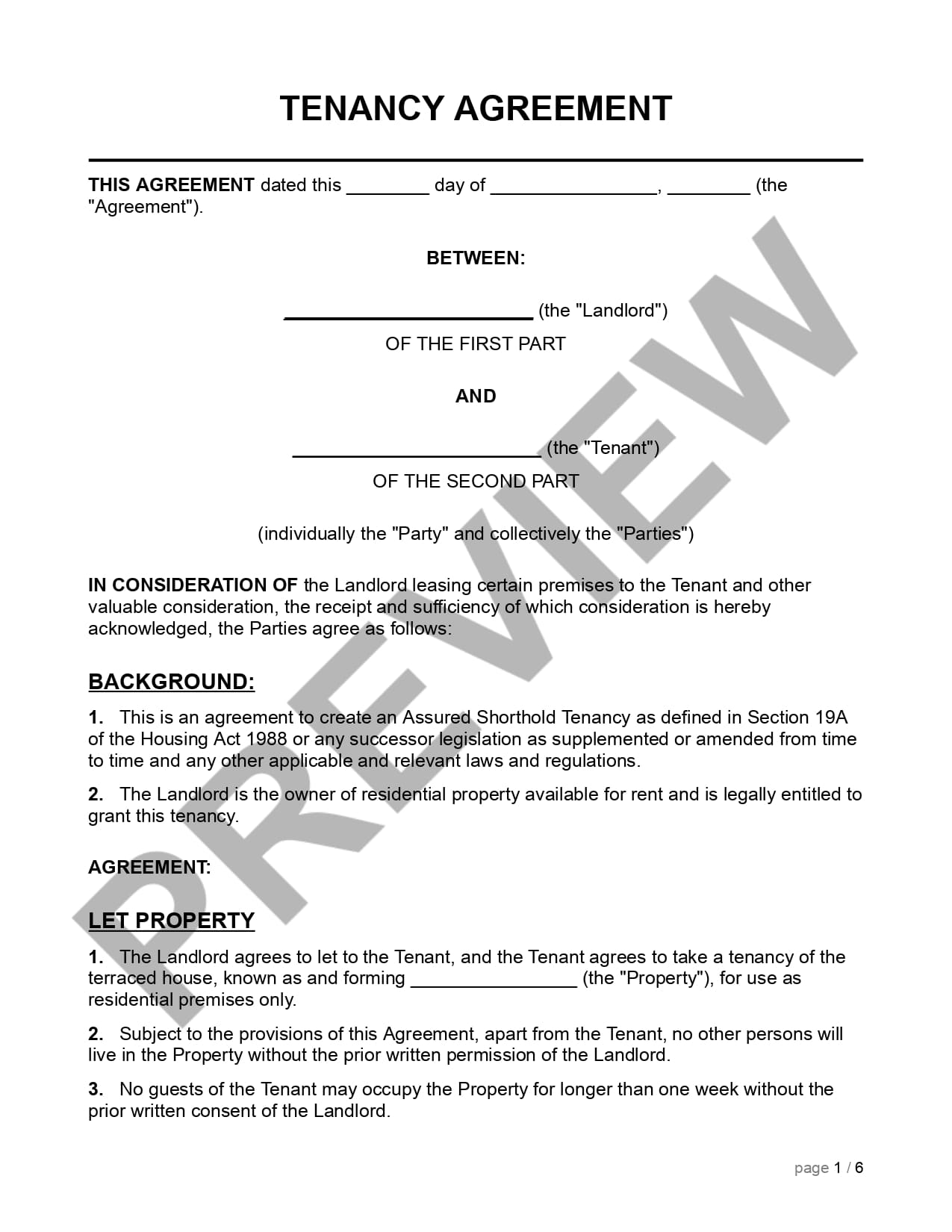
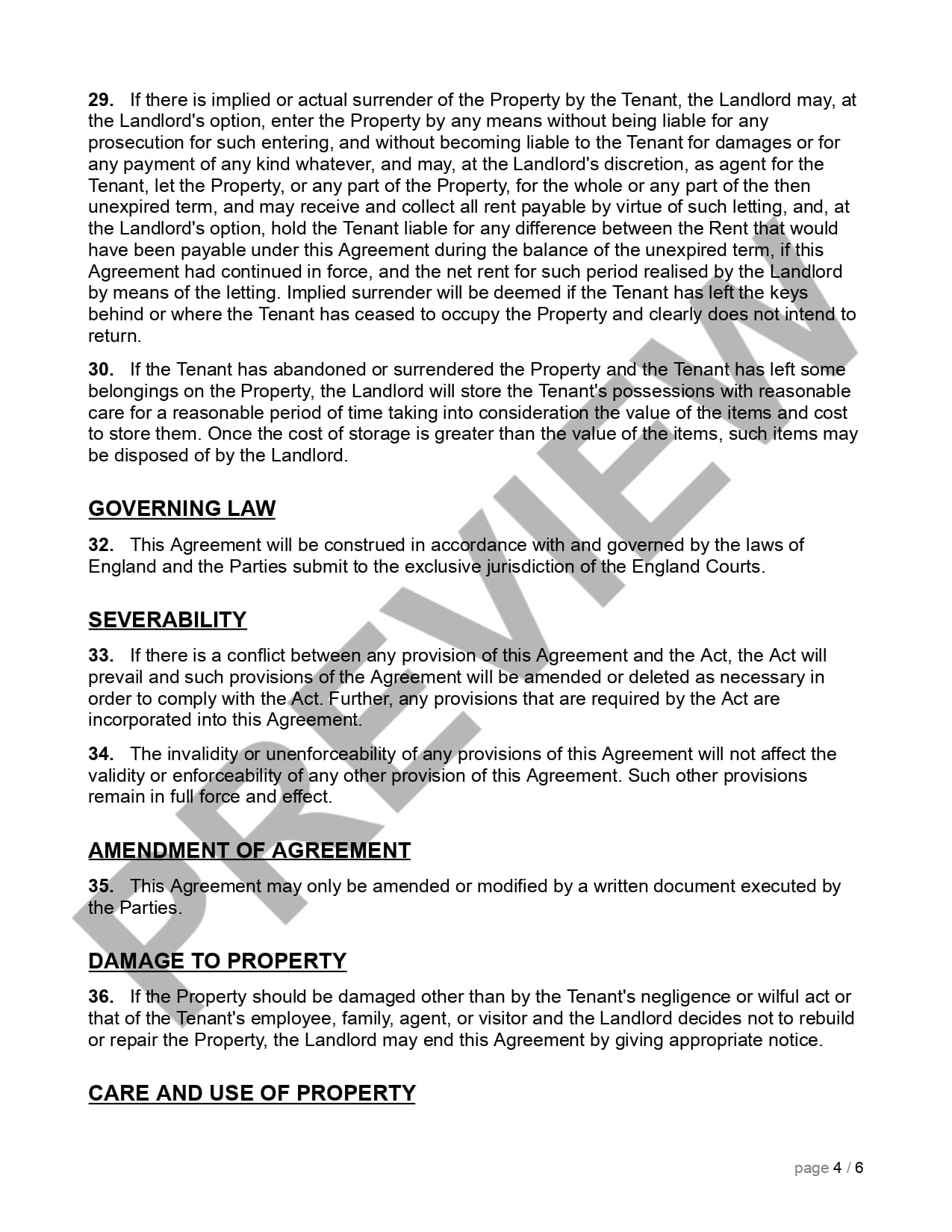
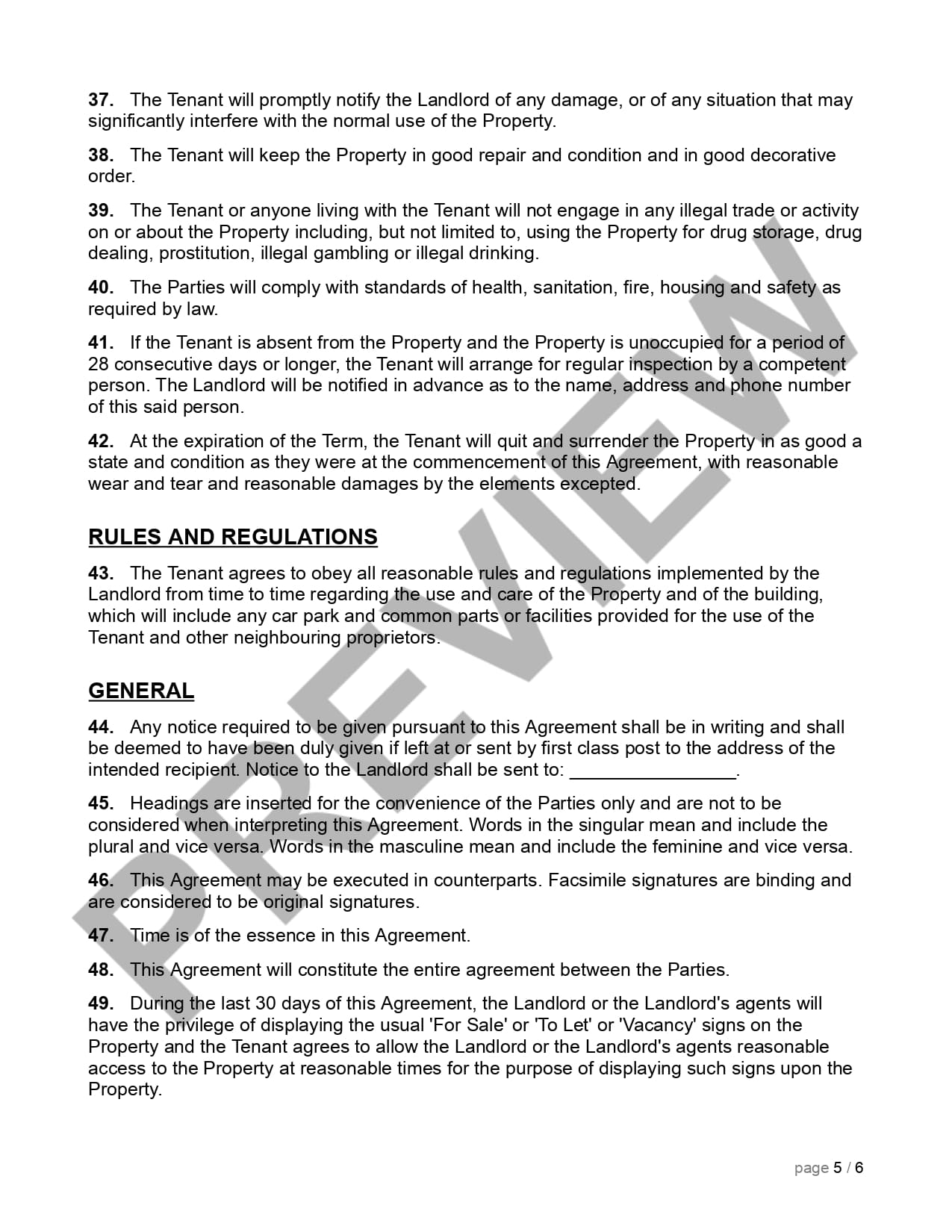
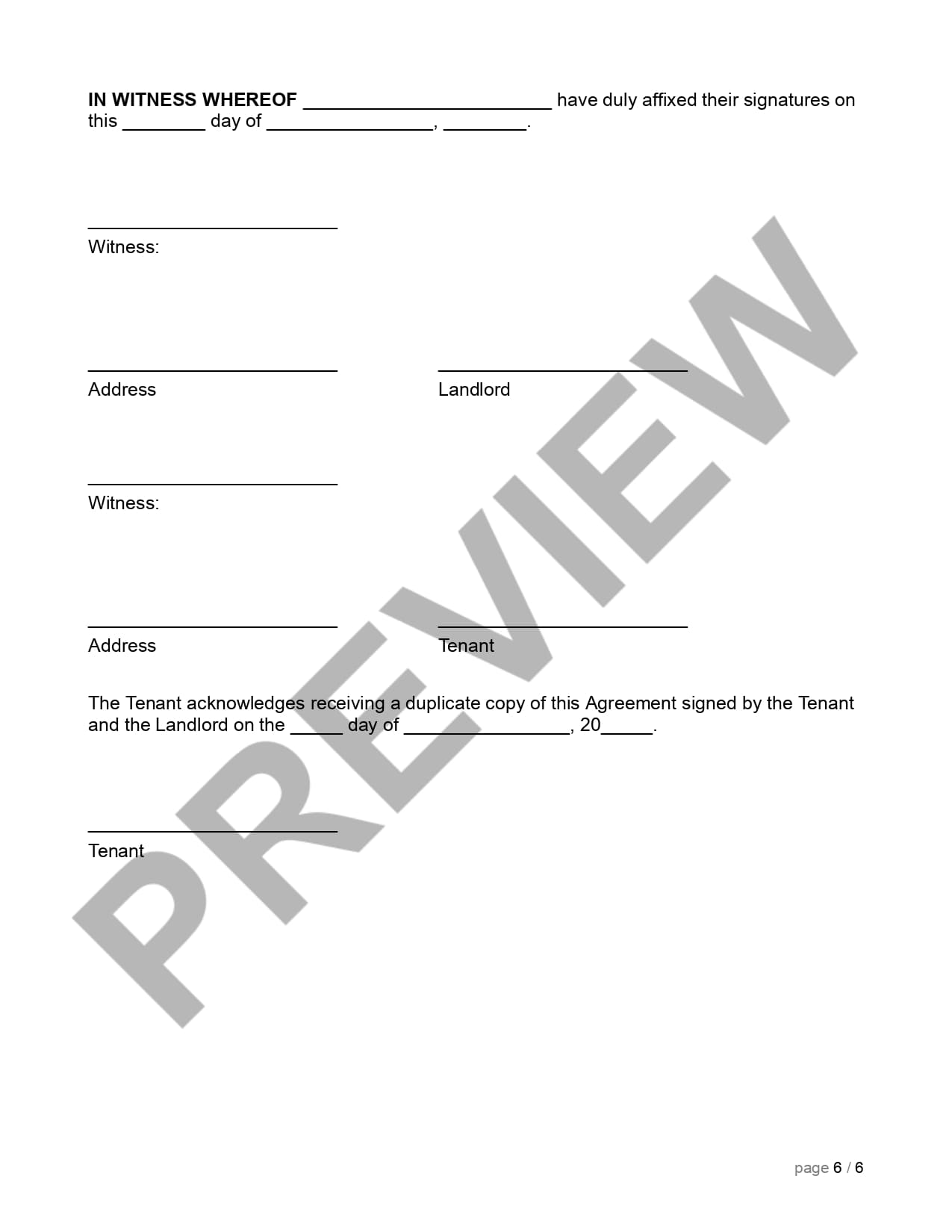
A Tenancy Agreement is a legally binding contract between a landlord and a tenant that sets out the terms and conditions for renting a residential property in the UK. Select the type of property being rented to get started.
What type of property is being rented?
Select the property type to get your personalised Tenancy Agreement.Last Updated February 2026
What is a Tenancy Agreement?
A Tenancy Agreement is a legally binding contract between a landlord and a tenant that sets out the terms and conditions for renting a residential property. In England and Wales, most private residential tenancies are Assured Shorthold Tenancy Agreements (ASTs) governed by the Housing Act 1988. Scotland and Northern Ireland have their own distinct tenancy laws.
When do I need a Tenancy Agreement?
Renting out a residential property: Any landlord letting a home, flat, or room should have a written tenancy agreement in place before the tenant moves in.
Protecting both parties: A written agreement prevents disputes by clearly setting out the rights and obligations of the landlord and tenant.
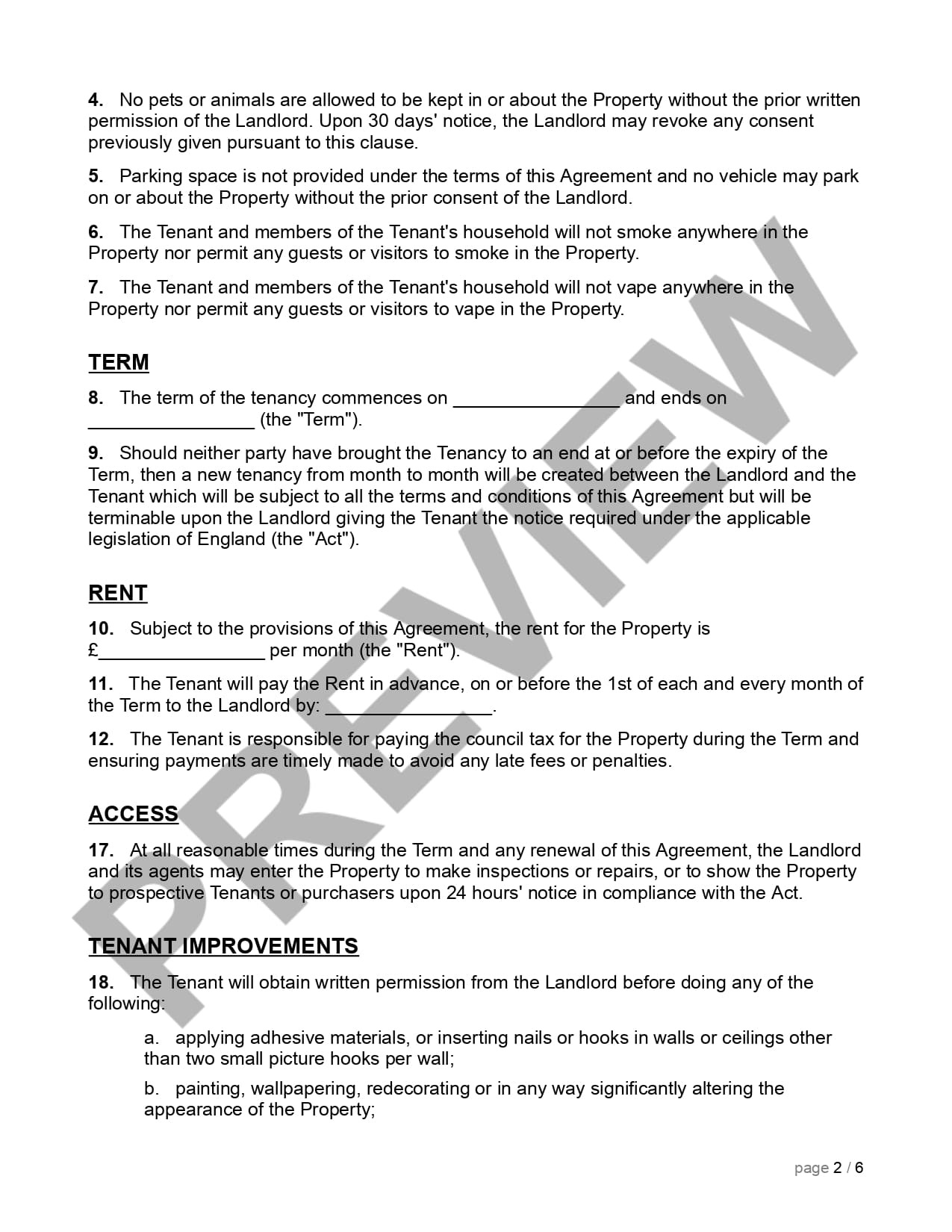
Setting specific terms: To specify rules about pets, smoking, parking, rent increases, and other property-specific matters.
Renewing or starting a new tenancy: When an existing tenancy ends and a new fixed-term or periodic arrangement is being established.
Frequently Asked Questions
While tenancies can exist without a written agreement, it is strongly recommended to have one in writing. A written tenancy agreement provides clear evidence of the terms agreed upon and helps resolve any disputes that may arise. In England, landlords are legally required to provide tenants with a written tenancy agreement for fixed-term tenancies.
A fixed-term tenancy runs for a set period — commonly 6 or 12 months — with a defined start and end date. A periodic tenancy has no set end date and rolls over weekly or monthly. Fixed-term tenancies provide certainty for both parties, while periodic tenancies offer more flexibility.
Under the Tenant Fees Act 2019, landlords in England can charge a maximum security deposit of five weeks' rent (or six weeks if the annual rent is over £50,000). The deposit must be protected in a government-approved tenancy deposit scheme within 30 days of receipt.
In England, landlords must provide at least 24 hours' written notice before entering the property for non-emergency reasons such as repairs or inspections. Landlords do not need permission to enter in the event of an emergency such as a fire or gas leak.
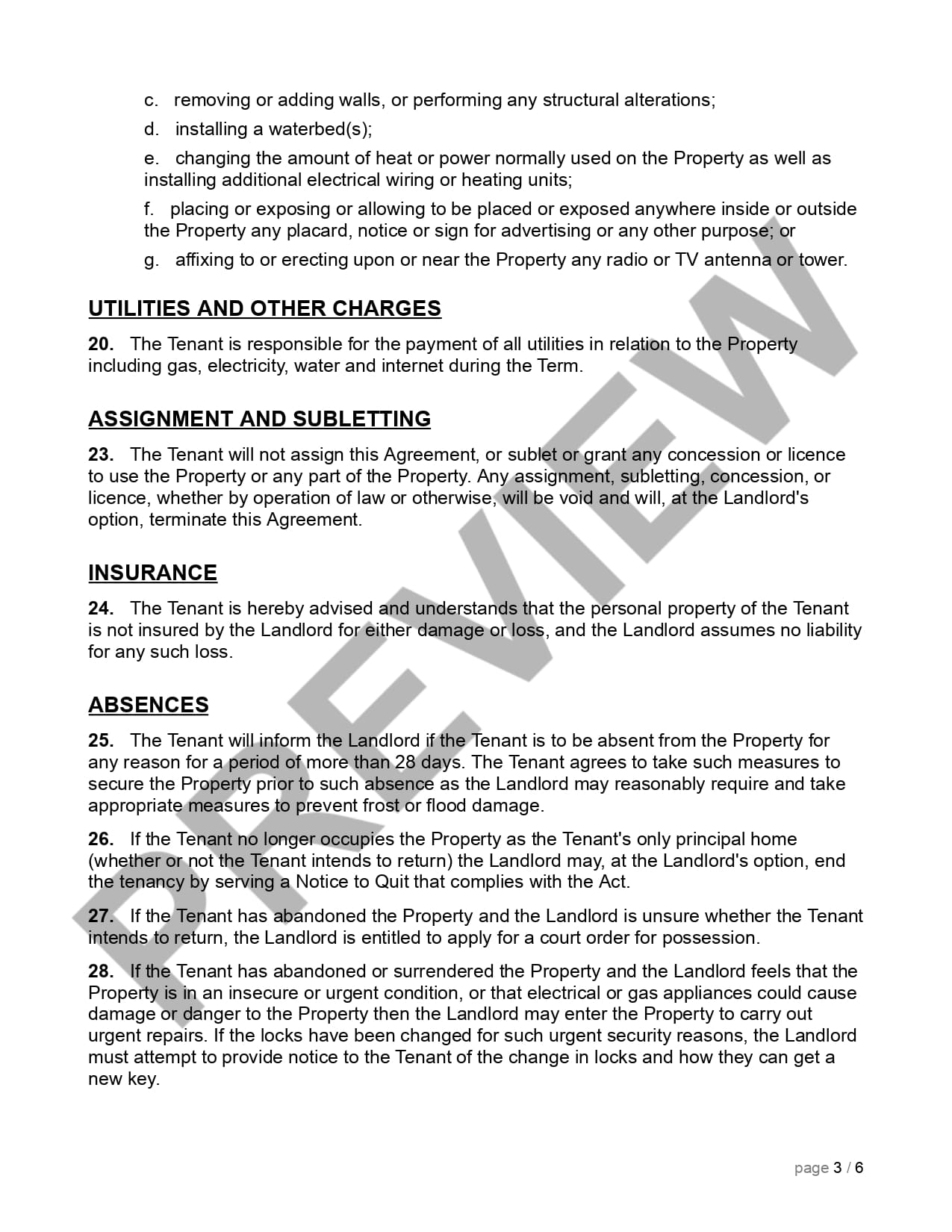
UK landlords are legally required to keep the property in a good state of repair, ensure gas and electrical safety checks are carried out regularly, provide an Energy Performance Certificate (EPC), protect the tenant's deposit in an approved scheme, and provide the tenant with a copy of the Government's "How to Rent" guide in England.