Non-Disclosure Agreement Template UK
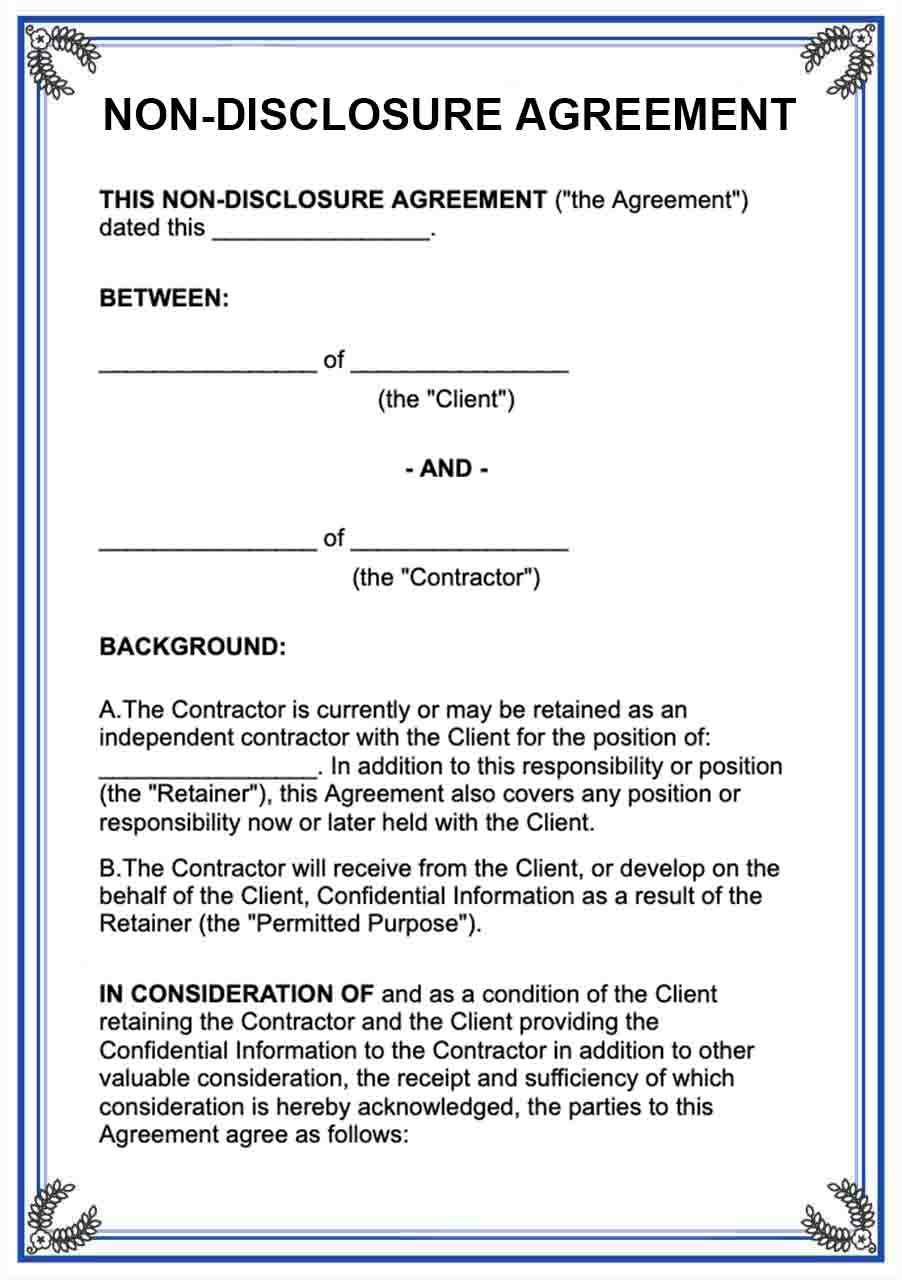
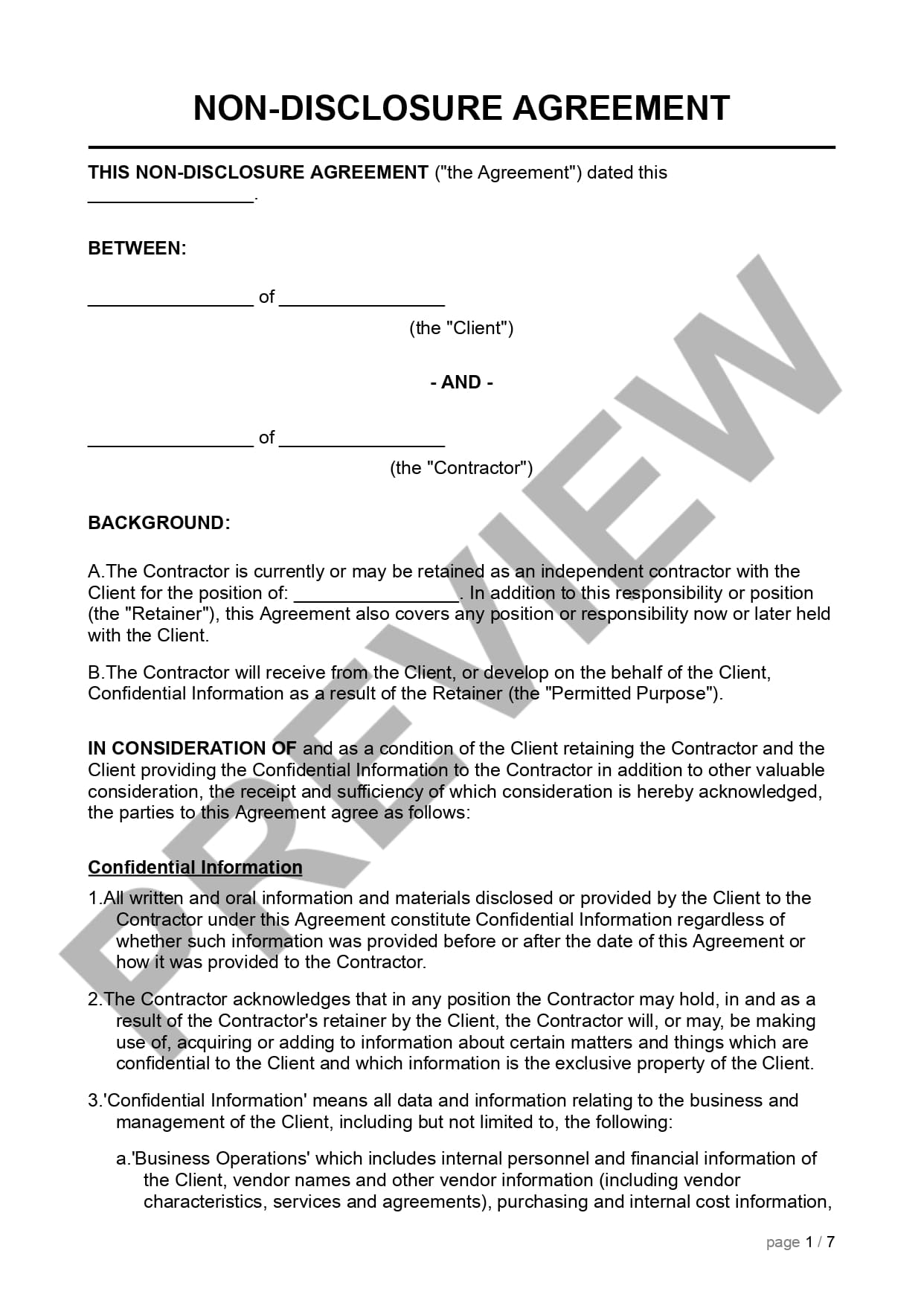
A Non-Disclosure Agreement (NDA) is a legally binding contract that requires parties to keep certain information confidential. It is used to protect sensitive business information shared between clients and contractors. Select the situation to get started.
In which situation will this agreement be used?
Last Update 17 March 2026
What is a Non-Disclosure Agreement?
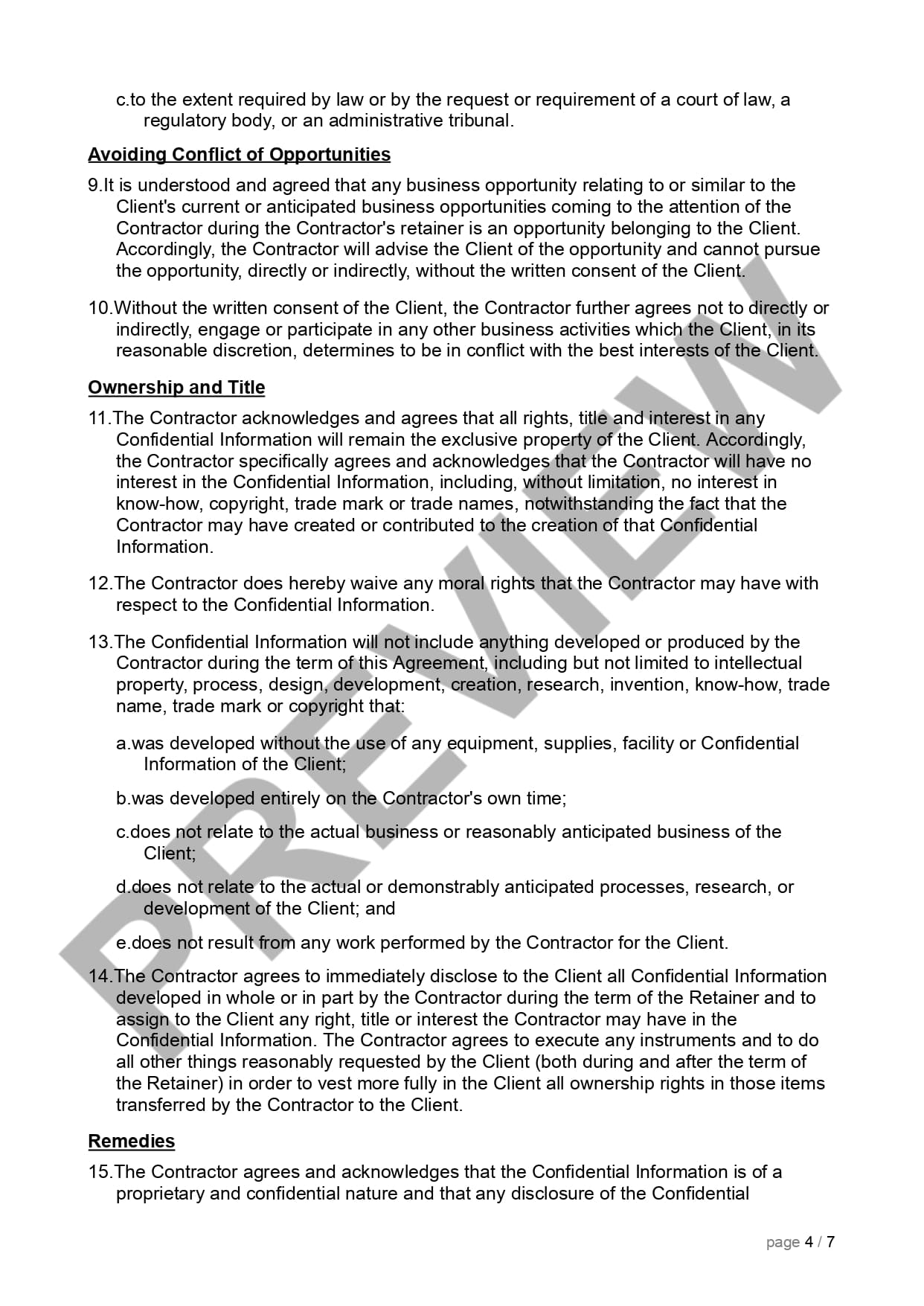
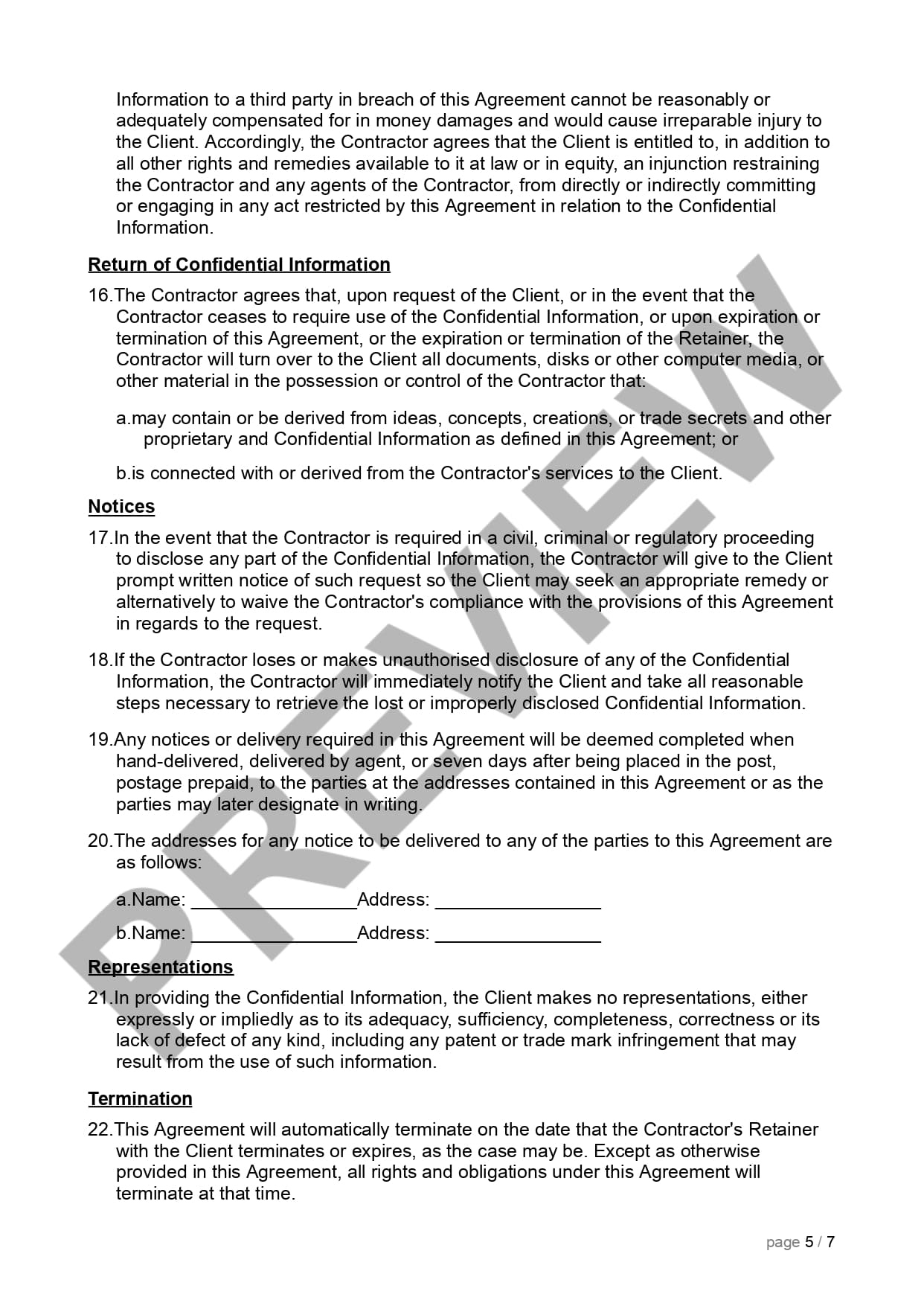
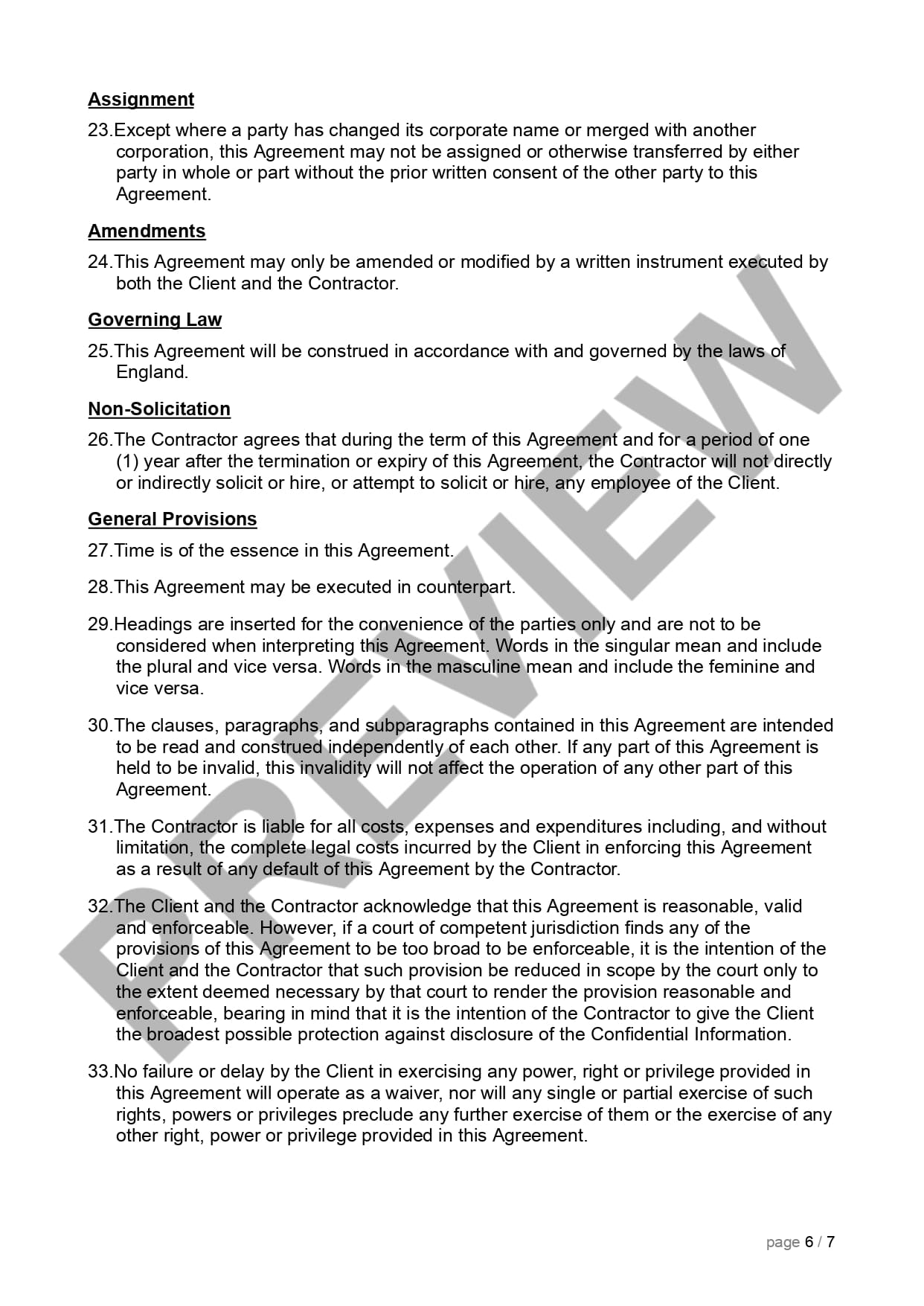
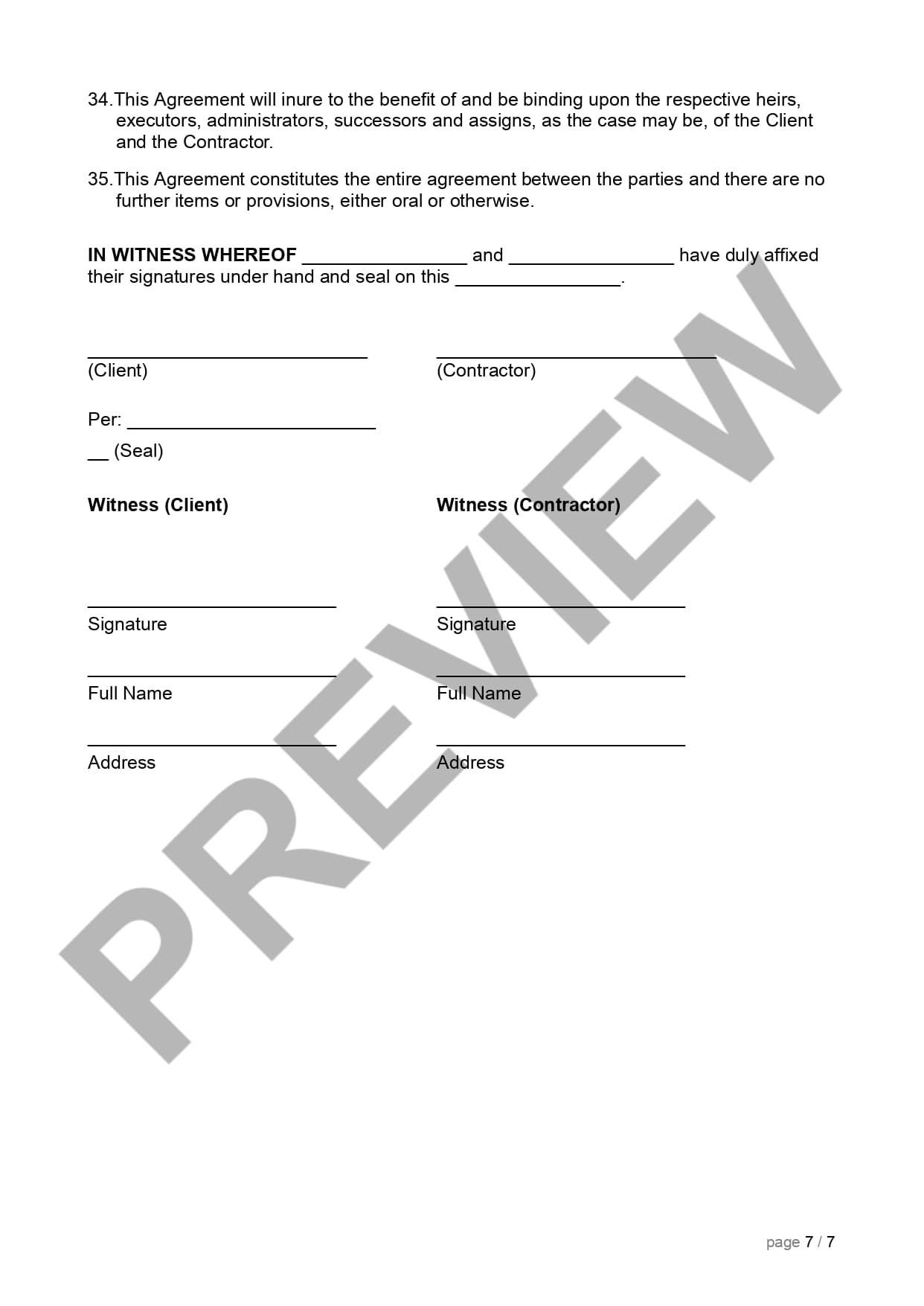
A Non-Disclosure Agreement (NDA), also known as a confidentiality agreement, is a legally binding contract in which one or more parties agree to keep certain information confidential and not to disclose it to third parties without authorisation. NDAs are commonly used in business relationships where sensitive information — such as trade secrets, business plans, financial data, or intellectual property — is shared between parties. They are enforceable under English law as long as they meet the standard requirements for a valid contract.
When do I need an NDA?
Service contracts: When hiring a contractor or consultant who will have access to sensitive business information, an NDA ensures that information remains confidential during and after the engagement.
Employment: Employers often require employees to sign NDAs to protect trade secrets, client lists, and proprietary processes. These can be included in the employment contract or signed separately.
Business negotiations: When exploring a potential merger, acquisition, or partnership, parties frequently exchange sensitive financial and operational information. An NDA protects both sides during these discussions.
Inventions and IP: If you are sharing details of an invention, product concept, or other intellectual property with a potential partner, investor, or manufacturer, an NDA prevents unauthorised use or disclosure of your ideas.
Frequently Asked Questions
Yes. NDAs are enforceable in England and Wales as long as they meet the requirements of a valid contract — offer, acceptance, and consideration. The scope of confidentiality must be reasonable and clearly defined. Courts have the power to grant injunctions to prevent breach of an NDA and to award damages where a breach has occurred.
A one-way (unilateral) NDA requires only one party — typically the recipient — to keep information confidential. A mutual NDA requires both parties to keep each other's information confidential. Mutual NDAs are common in negotiations where both parties are sharing sensitive information with each other.
Yes. You can include a non-compete clause in an NDA, but such clauses are subject to strict scrutiny by the courts. A non-compete clause must be reasonable in terms of duration, geographic scope, and the activities it restricts. Courts in England and Wales will not enforce a non-compete clause that is wider than necessary to protect a legitimate business interest.
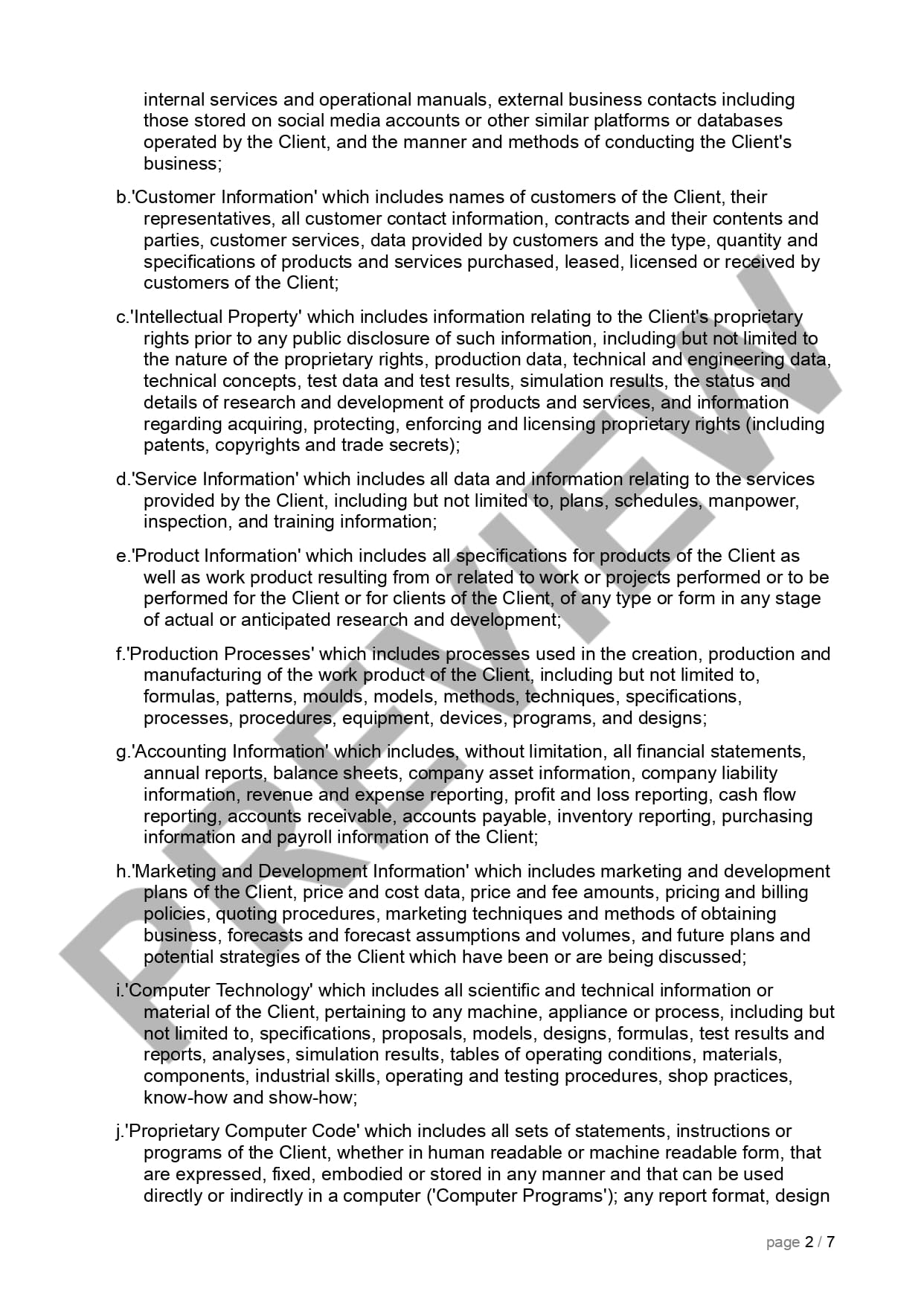
An NDA can protect any information that is not already in the public domain and that the disclosing party wishes to keep confidential. Common examples include trade secrets, business plans, financial information, client lists, technical specifications, software code, and marketing strategies. An NDA cannot prevent disclosure of information required by law or by a court order.
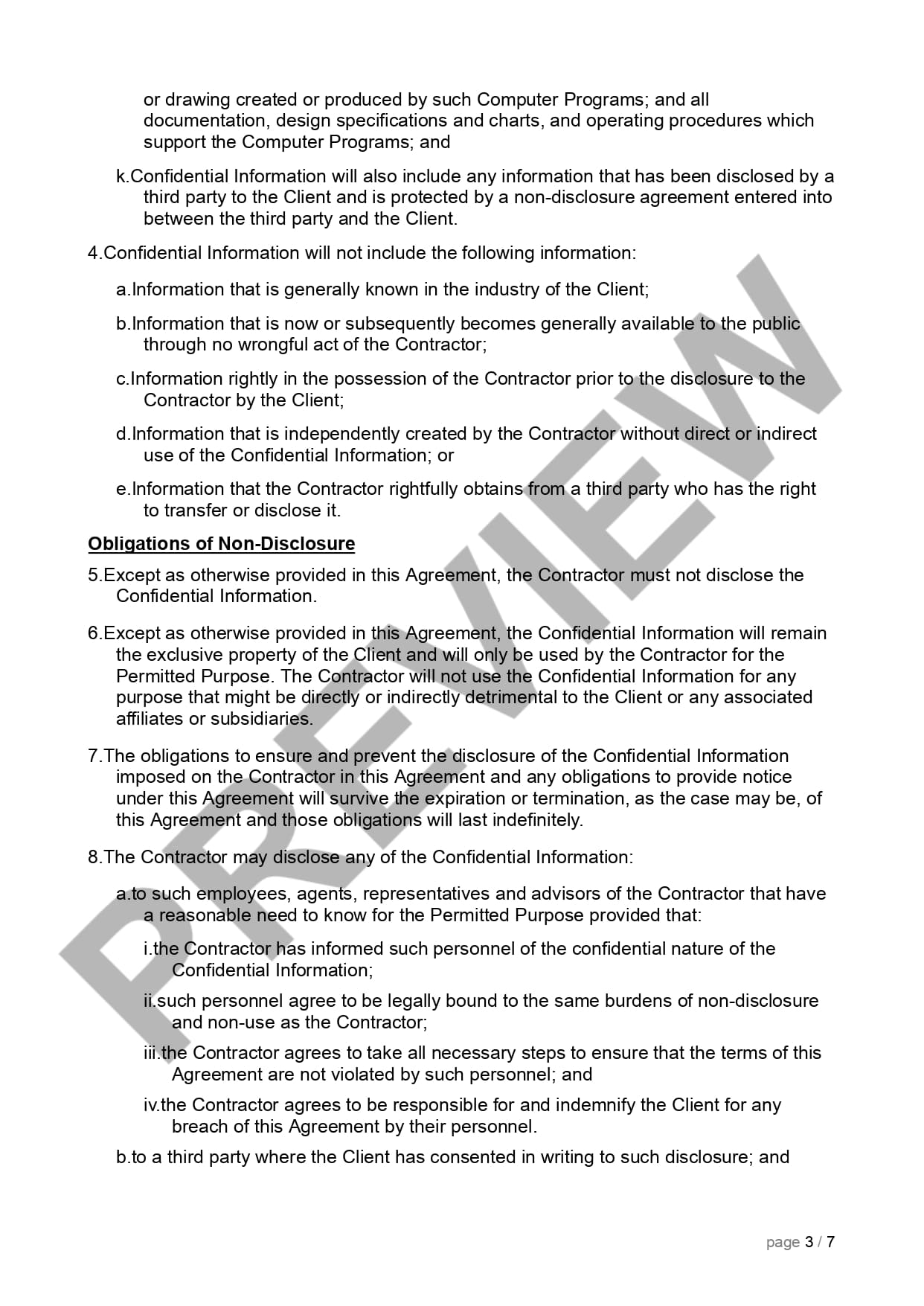
An NDA can last for any agreed period — it may be indefinite, fixed-term (e.g. five years), or tied to the duration of a particular relationship. Trade secret obligations are often indefinite because trade secrets can remain commercially valuable indefinitely. For other types of confidential information, a fixed term is common. The appropriate duration depends on the nature of the information being protected.