
Does marriage revoke a will? In England and Wales, the answer is generally yes – marriage automatically revokes an existing will unless that will was expressly made in contemplation of that specific marriage or civil partnership. The consequences can be serious.
If your old will is revoked and you do not make a new one, your estate will be distributed under the intestacy rules, which may not reflect your wishes at all.
Whether you are asking if marriage revokes a will in the UK or if marriage invalidates a will, the core answer is the same – and acting on it matters.
This article covers the general rule, the exception for a will in contemplation of marriage, civil partnerships, what to do after getting married, and a short update on proposed reform. It focuses on England and Wales – the rules in Scotland and Northern Ireland differ.
Table of Contents
- Does Marriage Revoke a Will in England and Wales?
- What Revocation Means for Your Existing Will
- Marriage, Civil Partnership and Intestacy – What Actually Happens?
- Exception to the General Rule – A Will in Contemplation of Marriage or Civil Partnership
- Marriage, Civil Partnership and Your Will – Situation and Effect
- What to Do After Marriage or Civil Partnership – Making a New Will
- When You Should Seek Professional Advice
- Possible Law Reform – Could the Marriage Revocation Rule Change?
- Key Takeaways
- FAQ
Does Marriage Revoke a Will in England and Wales?
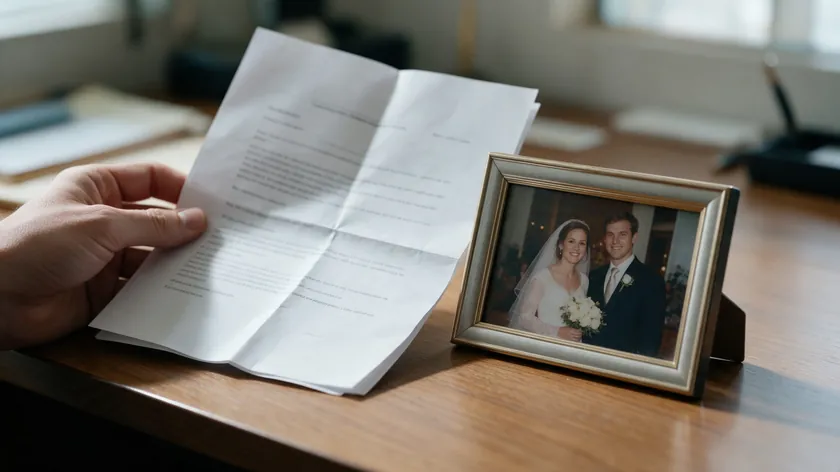
The general rule in England and Wales is straightforward: marriage automatically revokes any prior will you have made. The same applies when you enter a civil partnership. Your old will effectively stops working on the date of the ceremony, and no further action is needed for revocation to take effect.
This rule stems from long-standing principles now reflected in the Wills Act 1837. The relationship between wills and marriage has been governed by statute for nearly two centuries.
The law treats marriage as such a significant change in a person’s circumstances that any earlier will is assumed to be out of date. For a refresher on what makes a will valid, see our last will and testament guide.
What Revocation Means for Your Existing Will
Revocation means your existing will – often called the old will – is treated as cancelled from the moment you marry or enter a civil partnership. It cannot be relied on to distribute your estate, appoint executors, or carry out any other instruction it contained.
What Happens to Gifts in Your Old Will
Any specific gifts, legacies or provisions in the old will no longer take effect once it is revoked. If your current will left property to a friend, a niece or a charity, those gifts become void after marriage. The beneficiaries named in that document lose any entitlement it gave them.
Why the Law Works This Way
The rationale is that marriage changes your legal and financial position significantly. Historically, the law assumed that marrying so fundamentally changes a person’s life that they would want to revisit their will – often to include their new spouse or civil partner.
The automatic revocation acts as a safeguard, prompting people to make a will that reflects their updated circumstances.
Marriage Versus Divorce
Unlike marriage or civil partnership, divorce does not automatically revoke an entire will. Instead, the former spouse or civil partner is treated as if they had died on the date the marriage ended, and the rest of the will remains valid. Our guide on whether divorce revokes a will in England and Wales covers this in more detail.
Marriage, Civil Partnership and Intestacy – What Actually Happens?

If a will is revoked by marriage or civil partnership and no new will is made, the estate passes under the intestacy rules. These rules may not match your intended asset distribution, and they can be more rigid than people expect.
Who Intestacy Prioritises
Under intestacy, the surviving spouse or civil partner usually receives their personal possessions plus a fixed sum, with the remainder shared out where there are children. Cohabiting partners, friends and charities have no automatic entitlement, regardless of what the person may have wanted.
Children From a Previous Relationship
Children from a previous relationship may inherit under intestacy rules, but the share they receive depends on the size of the estate and whether there is a surviving spouse. In blended families, the outcome can be very different from what was intended.
An old will that carefully provided for those children is of no use once revoked by marriage.
Intestacy and Next of Kin Rules
Intestacy operates through a statutory list of relatives – spouse or civil partner, children, parents, siblings and so on.
Being someone’s next of kin is not the same as being entitled to inherit under intestacy, and neither is the same as being named in a will. Unmarried partners, stepchildren and close friends have no automatic right to inherit.
Exception to the General Rule – A Will in Contemplation of Marriage or Civil Partnership

The main exception is a will made in contemplation of a specific marriage or civil partnership. If your will was drafted with your upcoming marriage in mind and says so clearly, it can survive the ceremony.
What a Will in Contemplation of Marriage Must Say
For the exception to apply, the will must show that you were expecting to marry a particular person and intended it to survive that marriage.
The safest approach is to say so expressly and name the person, because vague wording leaves room for doubt and the drafting needs to be precise.
Why It Survives the Ceremony
Because the law expressly provides that a will made in contemplation of a particular marriage or civil partnership is not revoked by that event, the will remains valid after the ceremony.
This is a useful safeguard for engaged couples who want to protect each other – and any children from a previous relationship – before the wedding takes place.
Why You Should Still Review It
Even where a will in contemplation of marriage exists, it is not a substitute for a proper review. Your circumstances, assets and family dynamics may change between making the will and the ceremony. Small drafting flaws can also render the contemplation clause ineffective.
Reviewing your will is essential after significant life events, and most people should consider updating it with professional advice soon after marrying.
Marriage, Civil Partnership and Your Will – Situation and Effect
The table below sets out common situations and their likely effect on a pre-existing will in England and Wales.
| Situation | Effect on Existing Will / Estate |
|---|---|
| Marrying with an old will not made in contemplation of marriage | Old will is revoked; estate passes under intestacy rules if no new will is made |
| Entering a civil partnership with a pre-existing will not in contemplation | Same effect – civil partnership automatically revokes the old will |
| Will made in contemplation of a specific marriage or civil partnership (correctly drafted) | Will remains valid and its provisions take effect after the ceremony |
| Making a new will after marrying | New will replaces any earlier document; its terms govern the estate |
| Remarrying after being widowed | Any will made before the second marriage is revoked unless made in contemplation of that marriage |
This table is a general overview only. Complex estates, overseas property or assets in different jurisdictions may require tailored guidance from a solicitor.
What to Do After Marriage or Civil Partnership – Making a New Will

In practice, anyone who has married or entered a civil partnership should create a new will as soon as possible. Updating your will after marriage protects your spouse’s inheritance rights and ensures your estate is distributed according to your wishes.
A short checklist: decide who should inherit, including any children from a previous relationship; consider how any jointly owned property should be dealt with; and choose your executors.
Matching or Mirror Wills
Many newly married couples choose to make matching or mirror wills so that their arrangements are consistent with each other. This is a common and practical approach worth exploring.
Comparing the Cost of a New Will
If cost is a concern, it is worth comparing routes – from a solicitor to online tools – to find the right fit for your situation and budget. Our guide to how much a will costs explains the options.
Making Your New Will With Documentify
Documentify’s guided will tool lets you create an individual new will by selecting your marital status – single, married or civil partner – and answering a series of straightforward questions. You can create and preview your will for free, with a small fee only when you download the final copy.
When You Should Seek Professional Advice

While many straightforward wills can be prepared using a guided tool, some situations call for tailored professional advice. If you own property outside England and Wales, run a business, are entering a second or later marriage with children from previous relationships, or have a large and complex estate, a solicitor can help you avoid unintended consequences.
Professional advice is also recommended if you need trust planning beyond simple delayed inheritance for children, or if there are vulnerable individuals among your beneficiaries. A solicitor can review whether any will in contemplation of marriage is correctly drafted and still sufficient after the ceremony.
For many people with modest estates and straightforward family arrangements, a carefully prepared new will is still both achievable and worthwhile – the importance of acting promptly should not be underestimated.
Possible Law Reform – Could the Marriage Revocation Rule Change?

The rule that marriage revokes a will is under review, but nothing has changed yet. This section explains what has been proposed and why you should still act under the current law.
What the Law Commission Has Recommended
The Law Commission has recommended abolishing the automatic rule that marriage or civil partnership revokes a will, as part of a wider review of wills law.
One of the factors behind this proposed reform is concern about predatory marriages – where a person marries a vulnerable individual for financial gain, knowing that the marriage will cancel the victim’s existing will.
What Would Change if the Reform Is Adopted
If the proposed change is adopted, marriage and civil partnership would no longer cancel an existing will automatically. Testators would need to take active steps to revoke or replace their wills.
However, at the time of writing, this is only a recommendation and has not yet changed the law in England and Wales.
Why You Should Not Wait
You should plan on the basis of the current general rule. Do not delay updating your will in the hope that the law might change – the consequences of dying without a valid will can be hard to put right later.
Key Takeaways
- As a general rule, marriage or civil partnership in England and Wales cancels a pre-existing will, unless that will was made in contemplation of that specific marriage or civil partnership.
- Once revoked, the old will no longer controls the estate – assets may pass under intestacy rules if no new will is created. Relying on an old will after marriage is risky, as intestacy may step in and upset plans for loved ones, especially in blended families.
- You can protect a new spouse or civil partner, and children from a previous relationship, only by putting in place a valid new will. Review your situation promptly after any marriage or civil partnership and act without delay.
- Complex estates, overseas property or second marriages should trigger a conversation with a solicitor.
- The Law Commission has recommended reform of the marriage revocation rule, but this is not yet law, so you must still assume the present rule applies.
If you have recently married or entered a civil partnership – or plan to do so – now is the time to review and update your will rather than waiting.
Documentify’s guided will tool lets you create a new will tailored to your current marital status and wishes, free to create and preview, with a small fee only when you download the final copy. Putting a new will in place is one of the simplest ways to protect the people you care about.
FAQ
What automatically revokes a will?
Under the current law in England and Wales, entering a valid marriage or civil partnership will normally revoke an earlier will, unless that will was made in contemplation of that specific relationship. A later valid will can also revoke an earlier one if it says so expressly or is inconsistent with it.
Day-to-day life changes – like moving house or having a child – do not automatically revoke a will, even though they are good reasons to discuss and review it.
Does a married spouse automatically inherit everything in the UK?
Not necessarily. Whether a spouse or civil partner inherits everything depends on the circumstances – including whether there is a valid will and the size of the estate. If there is a will, its terms govern.
If there is no will, the intestacy rules in England and Wales set out how the estate is shared between the spouse or civil partner and certain relatives. Anyone unsure about how their estate would pass should make or review a will to reflect their wishes.
Does your will become void when you get married?
In England and Wales, a will usually becomes void – that is, it is revoked – when you marry or enter a civil partnership, unless it was made in contemplation of that specific event.
The old will can no longer be used to distribute your estate, so you should put a new will in place as soon as possible. Relying on an old will after marriage risks your estate being shared under intestacy rules rather than according to your wishes.
Does a civil partnership revoke a will?
Entering a registered civil partnership generally has the same effect as marriage in England and Wales – it usually revokes an earlier will not made in contemplation of that partnership.
Some people assume that a civil partnership does not automatically revoke existing wills, but the law treats both events in the same way. A will in contemplation of a particular civil partnership can survive the ceremony, but should still be reviewed regularly.
Anyone entering a civil partnership should contact a solicitor or use a guided tool to check whether their existing will is valid and consider making a new one to protect their loved ones.

