
Two independent adults aged 18 or over can witness a will in England and Wales, as long as neither is a beneficiary or married to, or in a civil partnership with, a beneficiary. Both witnesses must be present together when the will is signed.
This guide covers the law in England and Wales only. Scotland and Northern Ireland have different rules, so take local legal advice if you live there.
Below you will find who can and cannot witness, how many witnesses you need, a checklist for signing day, and what to do if the signing went wrong.
Table of Contents
- How a Will Must Be Signed and Witnessed in England and Wales
- Who Can Witness a Will in England and Wales?
- Who Cannot Safely Act as a Witness (Beneficiaries, Spouses and Civil Partners)
- Can an Executor Witness a Will?
- Can a Solicitor or Other Professional Witness a Will?
- Can a Will Be Witnessed by Video Call?
- How Many Witnesses You Need and What They Must Do
- Practical Checklist for the Will-Signing Day
- What to Do If the Will Was Not Properly Witnessed
- Key Takeaways
- FAQ
- Does a will need to be witnessed?
- Can a family member witness a will?
- Can my partner who is not in my will witness my will?
- Can my adult child’s spouse or civil partner witness my will if my child is not a beneficiary?
- Do witnesses need to give their ID or keep a copy of my will?
- Can I change my witnesses later without making a new will?
- What happens if one of my witnesses dies before I do?
How a Will Must Be Signed and Witnessed in England and Wales
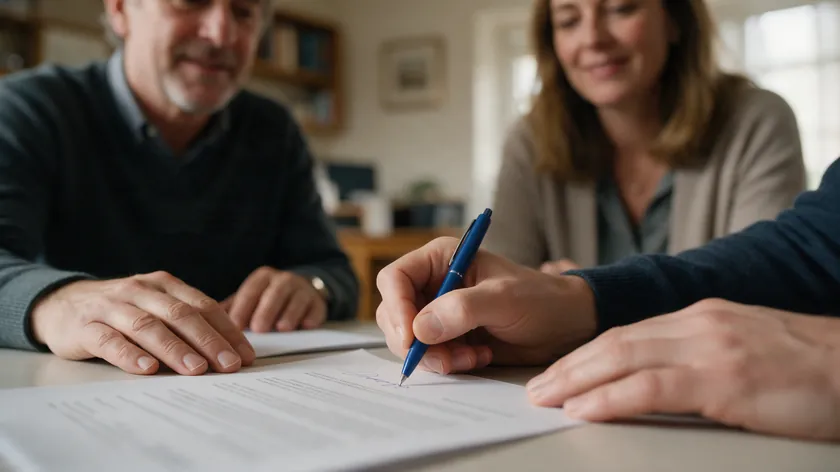
This section follows the Wills Act 1837 (section 9) and current government guidance. The same rules apply whether the will is handwritten, typed or printed from an online template.
For a broader overview, see our guide to a last will and testament.
The Legal Formalities
- The will must be in writing – typed, printed or handwritten.
- It must be signed by the person making it (the testator), or by somebody else in their presence and at their direction, with the intention that the signature gives effect to the will.
- Two or more witnesses must be present together at the same time when the testator signs or acknowledges their signature. Each witness then signs the will in the testator’s presence.
If any of these steps is missing or done incorrectly, the will risks being invalid.
What “Presence” and “Line of Sight” Mean in Practice
In practice, “presence” means everyone is in the same room with a clear view of the signing. Government guidance says witnesses need a clear view of the person and of the act of signing. No closed doors, no opaque screens and no signing in a separate room.
A simple example: the testator and two witnesses sit around one table. The testator signs first, then passes the document to each witness in turn. Everyone stays seated and sees each signature happen.
If one witness steps outside to take a phone call and signs later, the process may fail the “at the same time” requirement.
Who Can Witness a Will in England and Wales?

So, who can witness a will in the UK? In plain English: any two adults who understand what they are witnessing and have no personal stake in the will. The sections below break that down further.
Basic Requirements for a Witness
- Witnesses must be adults aged 18 or over who understand they are watching a will being signed.
- Each witness should be independent: not named as a beneficiary, not married to or in a civil partnership with a beneficiary, and with no personal interest in the will’s contents.
- Witnesses must be physically present with the person making the will. The later section on video calls explains why remote witnessing should not be assumed.
If a person meets all three points, they qualify as a witness. The next question is who to ask.
Good Choices for Witnesses
Good choices include neighbours, colleagues or long-standing friends who will not benefit under the will. These people are easy to find and unlikely to be accused of undue influence.
Each witness should write their full name, address and occupation legibly next to their signature. This makes it straightforward to trace them years later if the will is ever challenged.
Who Cannot Safely Act as a Witness (Beneficiaries, Spouses and Civil Partners)

The main risk is usually not that the will becomes invalid, but that important gifts are lost. A simple mistake on signing day can cost a loved one their inheritance.
What Section 15 of the Wills Act 1837 Says
- Under section 15 of the Wills Act 1837, if a beneficiary witnesses a will, their gift is void. The same applies if the spouse or civil partner of a beneficiary witnesses it.
- The will itself normally stays valid, but the beneficiary concerned loses their entitlement under it. The rest of the estate is distributed as though that gift did not exist.
- Under section 1 of the Wills Act 1968, the witness’s signature is disregarded if the will was properly signed and witnessed without it, meaning two other independent witnesses also attested. The gift can then survive.
That exception is narrow and nobody should rely on it. The safest course is always to avoid using a beneficiary, or their spouse or civil partner, as a witness.
If you are unsure who counts as a beneficiary of a will, check that guide before choosing your witnesses.
Examples of Gifts Lost Through Witnessing
- Suppose you leave the family home to your adult daughter. If she signs as one of the two witnesses, she risks losing the house under the will, even if she had no idea this would happen.
- Suppose your son is left £20,000 and his civil partner witnesses the will. Your son’s gift may also fail, because his civil partner is caught by section 15.
The bottom line: no beneficiary, and no spouse or civil partner of a beneficiary, should witness a will, however convenient it seems on the day.
Can an Executor Witness a Will?
People often choose executors from close family or loved ones, so this question comes up frequently. The answer depends on whether the executor also inherits.
When an Executor Can Witness
- Under section 17 of the Wills Act 1837, being named as an executor does not by itself stop someone acting as a witness.
- Best practice, though, is to use witnesses who are neither executors nor beneficiaries. This reduces the chance of disputes and avoids any appearance of a conflict of interest.
In short, an executor who inherits nothing can witness, but an independent person is the better choice.
When Witnessing Causes a Problem
- If the executor is also a beneficiary, section 15 applies and their gift may fail, although their role as executor continues unaffected.
- Example: your eldest child is named as executor and left a £15,000 cash gift. If they witness the will, they keep the job of administering the estate but risk losing the £15,000.
For more detail on the overlap between the two roles, see can an executor be a beneficiary.
And to understand what an executor is actually empowered to do, see what power does an executor of a will have.
Can a Solicitor or Other Professional Witness a Will?

There is no legal requirement for a solicitor to be involved in witnessing a will in England and Wales. The law does not distinguish between professional and non-professional witnesses.
Is a Professional Witness Required?
- A solicitor, will writer or other professional can act as a witness provided they meet the normal criteria: aged 18 or over, independent and not benefiting under the will.
- Using a professional is entirely optional and may involve a fee for their time.
So a professional witness is a choice, not a legal requirement.
When a Professional Witness Helps
- A solicitor acting as a witness can help show the will was properly witnessed and may reduce the likelihood of a challenge later. Their involvement adds a layer of professional evidence to the signing.
- If you are signing at home, you can ask a local solicitor’s office or notary whether they are willing to act as an independent witness.
Whether to involve a professional is a matter of personal preference, and you can take legal advice if you are unsure.
Can a Will Be Witnessed by Video Call?
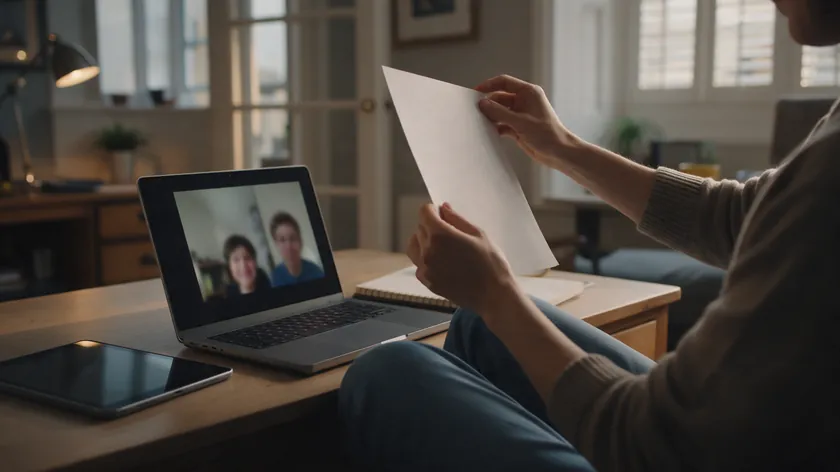
During the COVID-19 pandemic, the law temporarily allowed wills to be witnessed by video call in England and Wales. That temporary rule has ended, so you should not assume remote witnessing is still permitted.
What the Temporary Rules Allowed
- Under the temporary amendments, witnesses could join the person making the will on a live video call with a clear view of the signing. The document was then signed and witnessed in stages, often with the original passed or posted between those involved.
- According to government guidance, the rules applied to wills made from 31 January 2020. A 2022 order extended them to wills made on or before 31 January 2024.
Wills validly made by video during that period are generally not affected by the change, but the temporary rule no longer helps with new wills.
What Applies Now
- Since the temporary rules ended on 31 January 2024, new wills should be signed and witnessed with everyone physically present together.
- In-person witnessing remains the safest and simplest option. If you are unsure whether any newer law has changed the position, check the latest guidance on gov.uk or take independent legal advice.
Planning a short in-person signing session avoids all of this uncertainty.
How Many Witnesses You Need and What They Must Do

In England and Wales, at least two witnesses are needed, and both must be present together when the testator signs. Using more than two is allowed but adds no extra legal benefit in most cases.
The Two-Witness Rule
- The Wills Act 1837 requires at least two witnesses. One witness is not enough to make the will valid.
- Never use one witness now and another on a different day. If the witnesses were not both present at the same time, the will may be invalid, even if the second signature follows the next morning.
Arrange both witnesses for the same time and place before you start.
What Each Witness Must Do
- Each witness must see the testator sign or acknowledge their existing signature, and then sign the will in the testator’s presence.
- Witnesses should print their full name, address and occupation next to their signature so they can be contacted years later if needed.
- Witnesses do not need to read the will or know its contents. They are only there to confirm the person signed it.
After signing, witnesses have no ongoing duties unless the will is later challenged, in which case they may be asked to say what they saw.
Practical Checklist for the Will-Signing Day

Use this short step-by-step checklist on the day you sign to avoid common mistakes.
Before You Sign
- Read the final printed will carefully. Check all names, dates and addresses, and make sure no blank spaces are left to be filled in later.
- Arrange two independent adult witnesses in advance. Confirm that neither is a beneficiary, or married to or in a civil partnership with a beneficiary.
With the document checked and the witnesses confirmed, you are ready for signing day.
On the Signing Day
- Choose a quiet location with a flat surface, good lighting and enough space for everyone to see each other sign clearly.
- Signing order: the testator signs and dates the will in ink first. Then each witness signs and adds their full name, address and occupation while everyone remains in the room.
- Use your usual signature rather than initials only, and write the date in full, for example “14 March 2027”.
Keep everyone in the room until the last signature is complete.
After Signing
Store the signed original safely: in a fire-resistant folder at home, with a solicitor or through a secure document storage service. Tell your executors exactly where to find it.
Do not give the original to the witnesses. They do not need a copy.
What to Do If the Will Was Not Properly Witnessed
Many people discover after the event that the witnessing may not have been done correctly. This is more common than you might expect, and there are usually practical solutions if you act promptly.
Common Witnessing Mistakes
- Typical problems include only one witness signing, a witness being a beneficiary, the witnesses not both being present at the same time, or the will being left undated.
- A missing date does not by itself usually make a will invalid, but it creates avoidable doubt and can lead to disputes about which will is the most recent. Always date your will.
Most of these mistakes are easy to avoid with the checklist above.
What Happens to the Gift and the Rest of the Will
If a beneficiary or their spouse or civil partner witnessed the will, their gift may be void under the Wills Act 1837. The rest of the will normally stays valid.
Your other beneficiaries are not affected, but the person who should not have witnessed loses out.
When to Sign a New Will
- Where there is serious doubt about the witnessing, the safest route is usually to sign a new will correctly, even if the old one might arguably be valid.
- Fix problems as soon as you notice them. Waiting until your health declines or a dispute arises can make matters far worse.
- If the person who made the will has since lost mental capacity or has died, different rules apply and a court may need to be involved.
In that last situation, take independent legal advice without delay.
Key Takeaways
- You need two independent adult witnesses present together, who are not beneficiaries and not married to or in a civil partnership with beneficiaries.
- Everyone must be able to see each other sign the same document. Do not assume remote witnessing is allowed, as the temporary video-call rules ended on 31 January 2024.
- Under section 15 of the Wills Act 1837, a gift to a beneficiary (or the spouse or civil partner of a beneficiary) who witnesses the will is void.
- An executor can witness a will, but should avoid doing so if they are also a beneficiary.
- If anything goes wrong during the signing, redo it with a new will rather than leaving it to chance.
If you need to start again, the Documentify will tool includes clear signing instructions for two independent witnesses who are present together and are not beneficiaries.
FAQ
Does a will need to be witnessed?
Yes. In England and Wales, a will must be signed in the presence of two witnesses to be valid.
Without properly witnessed signatures, the will may not be accepted and your estate could be shared under the intestacy rules instead of according to your wishes.
Can a family member witness a will?
A relative can legally witness a will if they are not a beneficiary and not married to or in a civil partnership with one.
However, clearly independent witnesses such as neighbours or colleagues are safer and help avoid allegations of bias or undue influence.
Can my partner who is not in my will witness my will?
An unmarried partner who is not a beneficiary can legally witness the will. That said, it is usually safer to use witnesses who are not in a relationship with you, to avoid any suggestion of pressure.
Can my adult child’s spouse or civil partner witness my will if my child is not a beneficiary?
Section 15 of the Wills Act 1837 only catches spouses or civil partners of people who are actually beneficiaries. If your child is not left anything, their spouse or civil partner is not caught by that rule.
Even so, it is wise to avoid close family as witnesses to reduce the risk of family disputes.
Do witnesses need to give their ID or keep a copy of my will?
The law does not require witnesses to provide ID or keep a copy. Their full names and addresses should be written clearly on the will so they can be traced later.
The signed original should normally be kept by the person who made it or their solicitor, not by the witnesses.
Can I change my witnesses later without making a new will?
No. Once a will is signed and witnessed, you cannot swap the witnesses, because their signatures are part of that document’s formal signing. If you want different witnesses, you must sign a new will.
Never erase or overwrite witness details on an existing will, as this can raise serious doubts about tampering.
What happens if one of my witnesses dies before I do?
The death of a witness does not invalidate a will that was properly witnessed when it was signed.
It may make it harder to respond to a challenge, because one fewer person can give evidence. If both witnesses are elderly or unwell, consider signing again with witnesses who are easier to trace.

