
Most people assume that “next of kin” carries serious legal weight – that it decides who inherits, who speaks to doctors, and who controls the money. In UK law, the term mostly functions as a contact label with no fixed legal meaning.
This article breaks down exactly what next of kin does and does not give you authority over and what you actually need instead.
Table of Contents
- What Does “Next of Kin” Mean in UK Law?
- Next of Kin vs Legal Rights and Legal Authority
- Who Counts as Next of Kin in Practice?
- Next of Kin and Medical Decisions
- Next of Kin, Financial Matters and Access to Money
- Next of Kin and Inheritance When There Is No Will
- Typical UK Next of Kin and Intestacy Order of Priority
- Next of Kin vs Will, Executors and Beneficiaries
- Lasting Power of Attorney and Giving Your Chosen Kin Real Legal Authority
- Common Myths and Misunderstandings About Next of Kin
- Key Takeaways
- Frequently Asked Questions About Next of Kin in the UK
What Does “Next of Kin” Mean in UK Law?

In everyday language, next of kin typically refers to your closest living relative or the person you’d want contacted in an emergency – usually a spouse, partner, parent or adult child.
The concept of next of kin is often used informally and does not represent a defined legal status. It is primarily used as a social and administrative point of contact.
Here is what you need to know about the term:
- There is no universal legal definition of next of kin anywhere in UK legislation. The term has no automatic legal definition in UK law for living adults and appears mainly in medical and administrative contexts – not on official inheritance documents.
- Kin meaning in everyday speech refers to close family, but UK law cares about specific legal relationships – spouse or civil partner, child, parent – rather than the loose label “next of kin.” Next of kin is not a legal status that confers decision-making power, inheritance rights, or control over an estate.
- In the UK, next of kin is often an emergency contact only. Most hospitals and GP surgeries let you choose any trusted adult – including a close friend or unmarried partner – as your next of kin for contact purposes, even though this carries limited legal effect. There is no legal obligation to appoint a blood relative as next of kin.
- You can nominate a next of kin informally. For example, someone might list their cohabiting partner as next of kin on their GP medical records, even though that partner has no automatic right to make medical decisions or inherit without a will or Lasting Power of Attorney in place.
The real legal definition that matters is never “next of kin” itself – it is always the specific legal relationship or legal documentation backing it up.
Next of Kin vs Legal Rights and Legal Authority

People assume that being named as someone’s next of kin gives them real power – the ability to step in during critical situations and make things happen. The emotional weight of the label is enormous. The legal authority behind it, however, is almost zero.
- Being someone’s next of kin does not automatically give legal rights to access medical records, control treatment, manage bank accounts, or inherit their estate. Next of kin status is not legally binding in the UK, and it does not automatically confer decision-making rights.
- Legal authority only flows from specific legal instruments – a valid will, a Lasting Power of Attorney, or a court order. Family status alone does not create it.
- The kin rights that people assume they hold – the right to decide and inherit on someone’s behalf – are not the same as the actual rights UK law recognises. The gap between what people expect and what the law allows is where families run into serious trouble.
The sections below cover exactly where that gap appears: in medical decisions and healthcare settings, in financial matters and access to money, and in how intestacy rules decide inheritance when a person dies without a will.
Who Counts as Next of Kin in Practice?

Because there is no strict legal definition, different organisations use practical rules of thumb to decide who to treat as next of kin. The answer can vary depending on the context and the institution involved.
Next of Kin for Adults
The typical informal hierarchy works like this: spouse or civil partner first, then a long-term partner or adult children, then parents, then siblings and other step relatives or extended family. But this is flexible – many hospitals will simply go with whoever you have nominated, regardless of blood relationship.
- ‘Next of kin’ typically refers to the person’s closest living relative, but for adults you can usually nominate any trusted person over 18 for contact purposes.
- Unmarried partners are often listed as next of kin on hospital and administrative forms. However, they do not gain special legal rights from that label alone – particularly around inheritance, where they have no standing under intestacy laws unless other legal documents are in place.
The rules are different again for children, who fall under a separate legal category entirely. Instead of the informal next of kin hierarchy, the law looks at who holds parental responsibility – a specific legal status covered in more detail below.
Next of Kin for Children
For children under 18, next of kin is usually assumed to be someone with parental responsibility – typically a biological or adoptive parent. Parental responsibility is a separate legal status in its own right and carries duties and rights that the next of kin label does not create.
Being a family member does not automatically make someone a legal guardian; that role requires formal legal recognition.
Next of Kin and Medical Decisions

Next of kin is most visible in the NHS and social care situations – but here the term mainly identifies the person staff speak to for updates, not someone who can legally decide treatment.
In healthcare, staff usually consult the next of kin for updates but do not confer legal rights automatically. An emergency contact in most hospitals serves the same function: notification and consultation, not authority.
- Next of kin has no legal authority in medical decisions. Doctors and healthcare professionals have final responsibility for treatment decisions and must act under the Mental Capacity Act 2005 in England and Wales. They take account of a patient’s wishes and consult those close to them, but the medical team – not the next of kin – makes the call.
- Next of kin cannot consent to or refuse treatment, access full medical records, or insist on withholding care or discharge. They are an important voice, but not the final decision-maker. Next of kin can be consulted about end-of-life care preferences, but that consultation is advisory.
- The health and welfare LPA is the key instrument that does grant formal legal authority over welfare decisions if a person loses mental capacity. Without it, next of kin serves only a consultative role.
Consider this scenario: someone is in intensive care, unconscious, and doctors contact their spouse as next of kin. If a health and welfare LPA exists naming a different attorney – say, an adult child – that attorney holds the binding decision-making power over medical care. The spouse is consulted but cannot override the attorney. Without any LPA, the healthcare team acts in the patient’s best interests under the law, consulting the next of kin but not bound by their views.
Next of Kin, Financial Matters and Access to Money

Banks, pension providers and other financial institutions do not recognise next of kin as a licence to touch someone else’s funds. The label carries no financial affairs authority whatsoever.
- Next of kin cannot withdraw money, manage investments, sell property, or sign financial documents for another adult without proper legal authority. Next of kin cannot access financial assets without legal authority – full stop.
- The correct legal tool for day-to-day financial decision-making is a Lasting Power of Attorney for Property and Financial Affairs. Banks will usually insist on seeing a registered LPA or court order before allowing any access to accounts or assets.
- Acting without authority – even as a well-intentioned family member – can create serious legal risks, including allegations of fraud or financial abuse. Informal control of assets by next of kin without proper lasting powers can be challenged.
If no LPA exists and someone has already lost mental capacity, the fallback is a Court of Protection deputyship order. This is slower, more expensive and more intrusive than setting up an LPA in advance. Relying on kin status alone is simply not safe when it comes to financial matters.
Next of Kin and Inheritance When There Is No Will
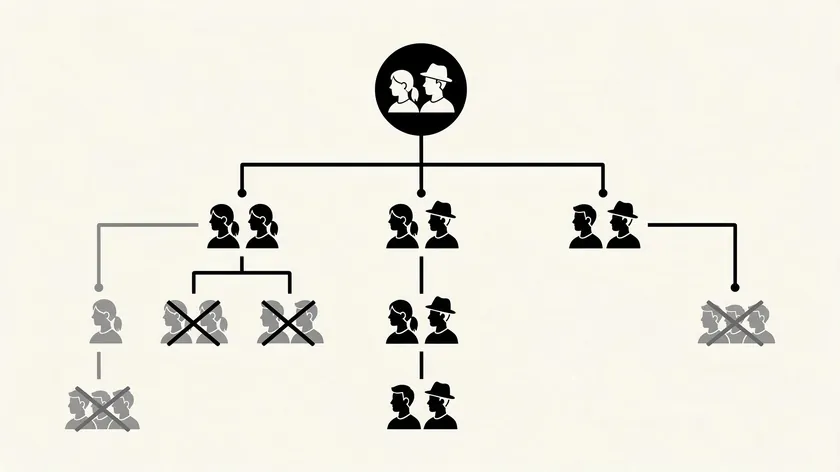
The point where next of kin comes closest to having legal weight is after death – specifically when a person dies without a valid will and intestacy rules apply. But even here, it is the statutory intestacy laws that give inheritance rights, not the next of kin label itself.
In England and Wales, intestacy rules sit mainly in the Administration of Estates Act 1925. UK law applies strict rules of intestacy to define who inherits an estate when someone dies without a will.
The system uses a fixed order of relatives – surviving spouse or civil partner first, then children, then parents, then siblings, and so on – to decide who is entitled to the deceased’s estate and who can act as personal representatives.
Next of kin does not automatically inherit under intestacy rules. And the surprises can be painful:
- Unmarried partners do not inherit under intestacy rules, no matter how long the relationship lasted or how clearly they were treated as a loved one.
- Stepchildren who have not been legally adopted receive nothing automatically, even if they grew up in the household.
- A close friend named as next of kin on every hospital form will inherit nothing under intestacy rules in England and Wales.
Next of kin status does not guarantee inheritance rights. The legal order of relatives may bear no resemblance to who you personally consider your next of kin – and only a will lets you override that default.
Typical UK Next of Kin and Intestacy Order of Priority
The table below shows the fixed order of relatives recognised under intestacy rules in England and Wales. It illustrates how the law’s priorities may differ sharply from who you think of as your next of kin in daily life.
| Priority | Relationship (England & Wales intestacy) | How this relates to everyday “next of kin” |
|---|---|---|
| 1 | Spouse or civil partner | Usually the first person named as next of kin; highest legal priority. |
| 2 | Children (including legally adopted; grandchildren inherit if a child predeceased) | Often included, but stepchildren without adoption are excluded. |
| 3 | Parents | Many people think of parents as next of kin; they rank third here. |
| 4 | Siblings (or their children if deceased) | Brothers and sisters are included in the traditional hierarchy. |
| 5 | Half-siblings (or their descendants) | Less commonly assumed as next of kin, but legally recognised. |
| 6 | Grandparents | More distant but inheritable if no closer relatives survive. |
| 7 | Aunts and uncles (or their descendants) | Rarely who people picture as next of kin. |
| 8 | The Crown (bona vacantia) | If no qualifying relatives exist, the person’s estate passes to the Crown. |
Unmarried partners and stepchildren do not appear on this list unless legal adoption has taken place – even if they were treated as family throughout the deceased’s life. This table is for illustration of the priority concept only; specific inheritance shares and tax details are covered in the pillar guide on wills.
Next of Kin vs Will, Executors and Beneficiaries

This is the heart of the article’s message: next of kin is not a substitute for a properly drafted will. Intestacy rules determine estate distribution without a will, and the outcomes can clash badly with the deceased’s wishes.
A will lets you choose your own executors – the people who handle estate administration – and your own beneficiaries, regardless of who your next of kin happen to be. The pillar article on last wills and testaments covers the formal requirements in detail, and the template spoke walks through clause-by-clause wording.
Here is a concrete example of the unique challenges families face: someone’s default next of kin might be their estranged spouse, but in their will they can instead leave personal belongings and assets to a later-life partner, stepchildren, or a charity.
Without that will, the estranged spouse inherits automatically. You should create a will to specify your wishes clearly – relying on assumptions about next of kin is how families end up in court.
In blended families or second marriages, the gap between who the law treats as the right person and who the deceased actually wanted to benefit can be enormous.
Lasting Power of Attorney and Giving Your Chosen Kin Real Legal Authority
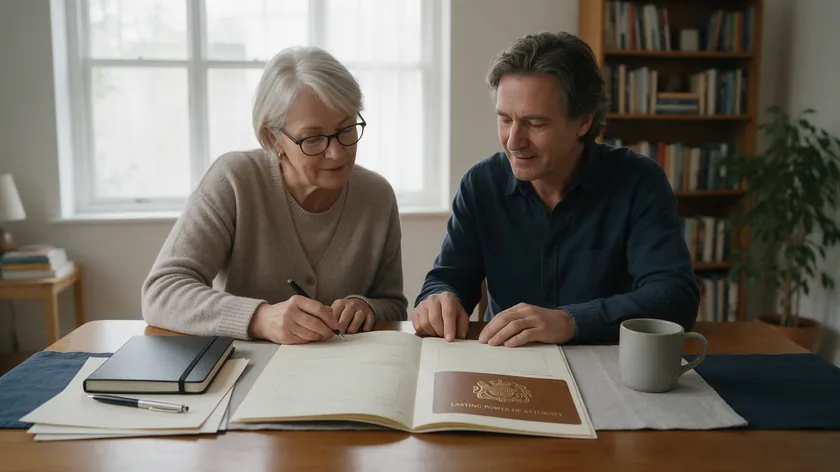
A Lasting Power of Attorney is the legal tool that turns a trusted person – often but not necessarily your next of kin – into someone with real decision-making power if you lose mental capacity. A Lasting Power of Attorney grants legal decision-making authority that the next of kin label simply cannot provide. There are two main types.
Property and Financial Affairs LPA
This type of LPA lets an appointed attorney manage money, property and financial affairs on someone’s behalf once registered with the Office of the Public Guardian. It currently costs £92 per LPA to register (£184 if you register both types). This is the instrument banks insist on seeing before they will allow anyone – even a spouse – access to another person’s accounts.
Health and Welfare LPA
This type lets an appointed attorney make medical and care decisions on someone’s behalf, but it only takes effect once that person has lost mental capacity.
Unlike the financial LPA, which can be used earlier if the donor allows it, the health and welfare LPA activates only when capacity is gone. This is the instrument that gives real legal authority beyond simply being next of kin in medical settings.
You can appoint your spouse, civil partner, adult child, close friend or any combination as attorneys. They do not have to be your closest blood relative, and you can bypass relatives entirely.
LPAs create legally recognised lasting powers – giving attorneys authority over welfare decisions, care arrangements and managing money and property.
They are also flexible: you can set preferences and instructions, appoint replacement attorneys, and revoke or change them while you still have capacity.
Common Myths and Misunderstandings About Next of Kin

The term ‘next of kin’ carries so much assumed weight that myths around it are widespread. Below are four of the most common – and what UK law actually says.
| Myth | What’s actually true |
|---|---|
| “My next of kin automatically inherits everything.” | Only intestacy rules or a valid will determine who inherits. Next of kin status alone guarantees nothing. |
| “My partner will be able to make all my medical decisions.” | Next of kin cannot make medical decisions without legal authority. Only a registered health and welfare LPA grants that power. |
| “Listing someone as next of kin gives them control over my money.” | Next of kin cannot access a deceased’s assets – or a living person’s assets – without a registered Property and Financial Affairs LPA or court order. |
| “Being next of kin makes me the legal guardian of any children.” | Guardianship requires a formal legal appointment. Next of kin status does not create parental responsibility or legal standing over children. |
Cohabitees, step-families and civil partnerships present particular risks. The closeness of a relationship does not by itself create kin rights in UK law.
Unmarried partners, step relatives and close friends may feel like family in every meaningful sense – but without a will, an LPA or formal adoption, the law does not treat them that way.
Good legal planning, not assumptions about next of kin, is what prevents confusion, disputes and unintended outcomes. In short, next of kin is mainly a contact label – not a source of legal authority or inheritance rights.
Only a valid will and registered LPAs let you choose who manages your estate, your medical decisions, and who benefits from your assets.
Key Takeaways
- Next of kin has no fixed legal meaning in UK law – it functions as an informal contact label used by hospitals, GPs and other organisations, not as a legally binding nomination.
- Being named as next of kin does not grant medical decision-making rights, financial access, or inheritance rights. Legal authority requires specific legal documents.
- When someone dies without a will, intestacy rules – not next of kin status – determine who inherits, following a strict statutory order that prioritises spouses and civil partners, then children, then parents, then siblings.
- Unmarried partners, stepchildren and close friends do not inherit under intestacy, regardless of how they were treated in life.
- A valid will lets you choose your own executors and beneficiaries, and a registered Lasting Power of Attorney gives your chosen person real legal authority over health, welfare and financial affairs if you lose capacity.
Don’t leave the people you trust with nothing more than a next of kin label. Use our last will and testament generator to name your own executor and beneficiaries – putting the right person in charge of your estate instead of leaving it to the fixed legal order.
If you haven’t made a will yet, or if your current legal documentation doesn’t reflect what you actually want, now is the time to act.
Frequently Asked Questions About Next of Kin in the UK
These FAQs pick up related questions that were not fully covered in the main sections above.
Is my unmarried partner my next of kin in UK law?
You can nominate your unmarried partner as next of kin on hospital or GP forms, and many people do. But that label gives them no automatic legal relationship for inheritance, medical decisions or financial access.
Unmarried partners do not inherit under intestacy rules and have no legal standing to make decisions on your behalf unless you have put a will and LPA in place. A marriage or civil partnership changes the legal position significantly – without one, legal documentation is essential.
Can the next of kin see my medical records without my consent?
No. Hospitals and GP practices treat medical records as confidential. Being named as next of kin does not grant automatic access. If you have capacity, you decide who sees your records.
If you lose capacity, healthcare professionals may share relevant information with those involved in your care to act in your best interests – but routine, open access requires a registered health and welfare LPA that specifically covers this.
In practice, staff may provide guidance and general updates to next of kin, but detailed records access is a different matter.
Who is next of kin if I am single with no children?
In practice, organisations typically fall back on the informal hierarchy: your parents would usually be treated as your next of kin, followed by siblings, then other relatives.
For intestacy purposes, the statutory order applies in the same way – parents inherit first, then siblings, then half-siblings, then grandparents, then aunts and uncles. If no qualifying relatives exist at all, the estate passes to the Crown as bona vacantia.
If you want a specific person – a close friend, a partner, a charity – to act on your behalf or benefit from your estate, only a will and LPA can make that happen.
Does the next of kin have any say over funeral arrangements?
Funeral directors will typically be responsible for taking instructions from the person who appears to be the closest family member or whoever comes forward to arrange the funeral. The next of kin may manage funeral arrangements if no will exists, and in practice this role often falls to a spouse or adult child.
However, this is a practical courtesy rather than a strict legal right. If the deceased left wishes about their funeral in a will or separate letter, those carry moral weight – but funeral arrangements are not enforceable in law in the same way as the distribution of an estate.
Disputes between family members over funeral arrangements do arise, and having your wishes written down helps avoid them.
How do I make sure my chosen next of kin actually has legal authority?
The most effective steps are to make a valid will naming your chosen executors and beneficiaries and to register Lasting Powers of Attorney – one for property and financial affairs and one for health and welfare – naming the person or people you want as attorneys.
These legal documents turn an informal next of kin label into enforceable legal authority. Without them, even the person closest to you has no power to act on your behalf when it matters most.

